
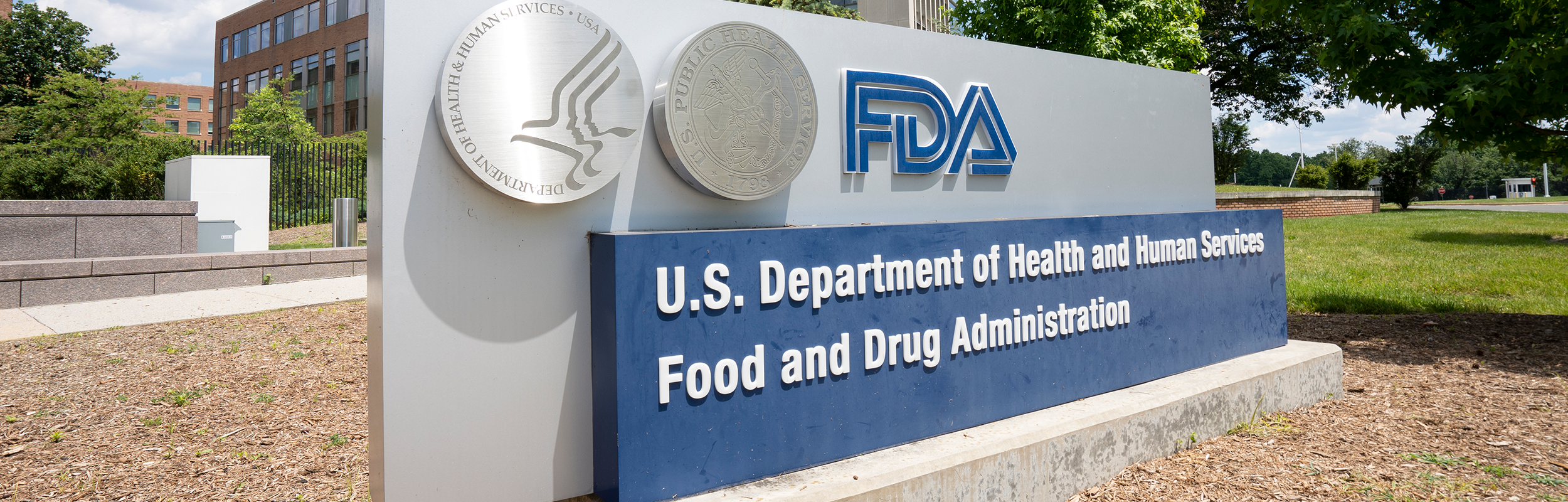
Peptide reclassification 2026: What providers need to know right now
Last updated: April 23, 2026. This is a developing regulatory story, and we will update this article as FDA actions, advisory committee decisions, and formulary availability change.
The compounded peptide landscape is shifting faster than it has in years. If you prescribe BPC-157, ipamorelin, MOTS-C, or any of the peptides swept up in the 2023 restrictions, the next nine months will change what you can offer and how you explain it to patients.
Here is where things stand right now.
Background: How we got here
The 2023 restrictions
In September 2023, the FDA identified 19 peptides as posing significant safety risks and placed them on a restricted list that blocked 503A compounding pharmacies from producing them.
That list included some of the most-prescribed wellness and recovery peptides in the country.
The unintended consequence
Patients who lost legitimate access did what patients do when legitimate access disappears. Many moved to research-chemical websites and gray-market sources with no sterility testing, no potency verification, and no clinical oversight.
What the FDA announced in April 2026
HHS Secretary Robert F. Kennedy Jr. and the FDA announced a two-stage reclassification process that could reverse much of the 2023 action. Three things are happening in parallel.
Immediate reclassification
Twelve of the restricted peptides are being removed from the FDA’s most restrictive “high-risk unapproved” category ahead of any advisory committee review.
This does not make them automatically compoundable again. It removes the regulatory ceiling that was keeping them in a near-prohibited status.
July 2026 advisory review
The Pharmacy Compounding Advisory Committee will meet July 23–24, 2026, to review seven peptides, including BPC-157, to determine whether they can be safely added back to the approved 503A bulk substances list.
February 2027 advisory review
A second panel will review five additional peptides, with outcomes expected shortly after.
The political backdrop
The reclassification frames the 2023 restrictions as regulatory overreach. Kennedy has argued publicly that peptides function more like supplements than pharmaceuticals.
Critics counter that most peptides under review have limited rigorous safety evaluation, and that vacancies on the advisory panel could affect the independence of the review.
Both arguments have merit. Neither changes what you need to do as a prescriber.
What reclassification means for your practice
A reclassification is not an approval. It is a return to 503A eligibility, which puts peptides back in the regulatory posture they held before September 2023.
That distinction matters in three ways.
Sourcing legitimacy returns
If the July advisory review moves favorably, compounding pharmacies operating under 503A will once again be able to produce these peptides for patient-specific prescriptions. Your ability to offer them returns. The gray market’s reason for existing shrinks.
The peptides you or your patients have been sourcing from unregulated pharmacies can be mislabeled, under-dosed, over-dosed, or contaminated.
Returning these substances to licensed compounding pharmacies means real sterility testing, real potency verification, and real clinical accountability available at your request. That is a story worth telling patients now, not after the rulings.
Competitive positioning tightens
Clinics that have been avoiding peptide conversations for two years will face a crowded re-entry. Practices with an established compounding partner and a clear clinical protocol will move faster than those starting from zero.
What to tell patients right now
Patients are already asking. Some have been sourcing peptides on their own for the past two years and want to know when they can return to a legitimate prescription pathway. Others are reading headlines and assuming everything is available.
Three talking points that hold up regardless of ruling
- The FDA is reviewing a specific list of peptides, not all peptides. Availability will depend on each substance’s individual review outcome.
- Reclassification restores the regulatory pathway for compounding. It does not grant FDA approval for specific indications or dosages. Clinical judgment still governs use.
- Sourcing from unregulated websites carries real risk regardless of what the FDA does. A federal reclassification does not make a research-chemical site safer.
Why your pharmacy partner matters more than ever
When a restricted substance returns to 503A eligibility, not every compounding pharmacy is equally prepared to produce it safely. The pharmacies that were rigorous before the restrictions are the ones you want producing these peptides now.
What Evitalin and PharmaLabs bring to the partnership
Evitalin works exclusively with US-licensed pharmacy partners that exceed USP <797> sterile compounding standards.
Our primary partner, Pharmalabs, is a 503A Compounding Pharmacy operating out of St. Petersburg, Florida. The pharmacy maintains ongoing environmental monitoring programs and performs sterility and endotoxin testing in accordance with its quality and compounding protocols prior to release of applicable sterile compounding preparations.
That operational standard is what separates a compounded peptide your patient can trust from one that sounds the same on paper. As peptides return to the formulary, the quality floor for who produces them will matter more, not less.
What to watch next
The July 2026 advisory meeting
This will be the first directional signal. A favorable review of BPC-157 and the other six peptides would open the first wave of 503A re-eligibility. An unfavorable review would extend the current status and keep patients in gray-market sourcing longer.
The February 2027 review
This determines the second wave, including peptides with broader wellness and anti-aging use cases.
Between now and then
Expect continued policy movement, state-level responses, and pharmacy-side decisions about which reclassified substances to formulate.
Evitalin and PharmaLabs are actively preparing formulary expansions contingent on each advisory outcome, which means practices in our provider network will have access as soon as compliance allows.
This article will be updated as FDA announcements, advisory committee decisions, and PharmaLabs formulary expansions occur. Bookmark this page or sign up for our provider update list to receive notifications when material changes happen.